


[6 min read]
- Your aorta is your largest blood vessel and delivers oxygen-rich blood to your entire body.
- Many people with aortic conditions have no symptoms. It's often diagnosed during the course of an unrelated exam or scan.
- Experts at the Providence Swedish Aortic Center can help you stay active and healthy while managing your complex condition with collaborative, evidence-based care. Learn more.
Learning that you have an aortic aneurysm can be unsettling. You may have a lot of questions about your future, whether you'll need surgery and if it's still safe to exercise.
The good news is that most aneurysms are discovered before they become a medical emergency. Many people with aortic aneurysms live full, active lives with regular monitoring and the right care plan. At the Providence Swedish Aortic Center specialized care teams work with patients to closely monitor their condition and take steps to reduce their risk, including collaborative long-term care management, evidence-based care practices, genetic screenings and more.
Jacquelyn Calvin, ARNP, is a nurse practitioner who specializes in care for people with aortic conditions. She spoke with us about the advanced care at Providence Swedish and how Swedish is leading the way in the treatment of this complex, but manageable condition.
“When we talk about aortic disease, the term encompasses the full of the aorta, which is basically a giant blood vessel that is shaped like a candy cane that comes out of your heart and goes down through chest and stomach. It then branches off to all the other arteries that feed blood to the rest of your body,” says Calvin. “So when we talk about aortic disease, that means anywhere along that structure, there's some kind of expansionthat shouldn't be there.”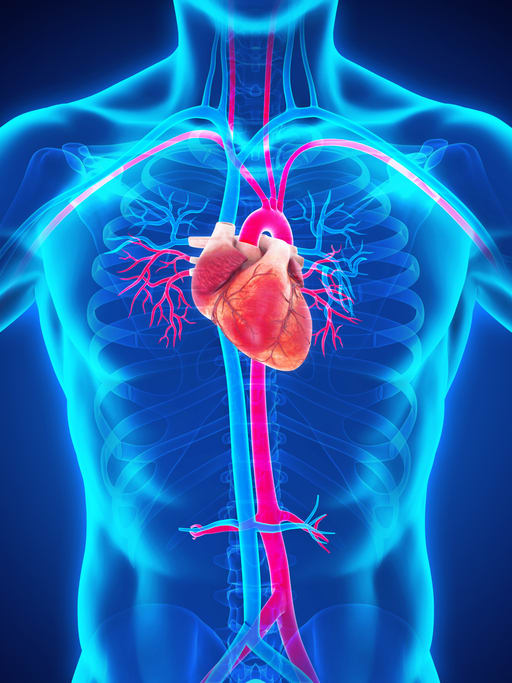
“When there’s a thinning of the aortic wall is when we hear about those scary things like a rupture or dissection. In this case people can often feel symptomatic and go to the emergency room, where they may need emergency surgery. Aortic disease can present in many ways: incidentally during a CT scan, when a bulge in the aorta called an aneurysm iis found, or in can present as a full-fledged emergency.”
Aneurysms and heart valve disease
Some aortic aneurysms are closely related to heart valve conditions, particularly bicuspid aortic valve disease, in which the valve has two flaps instead of the usual three and increases the risk of developing enlargement of the aorta, especially in the section closest to the heart. If an aneurysm develops near the aortic root because the valve is leaking or not functioning properly, surgeons may repair or replace valve and the aneurysm during the same procedure. When possible, surgeons may preserve the patient's natural valve rather than replacing it.
How do these conditions develop?
Family history matters. A close relative with an aneurysm, aortic dissection or unexplained sudden cardiac death may increase your risk
“There are populations that have higher risks. Genetics is a big factor. We also see it more in men. Smoking and hypertension also make the condition much worse, but those are modifiable,” says Calvin. “Genetic testing is very important [in diagnosis]. I tell patients that you cannot out-exercise or out-diet your genetics. Figuring out exactly what is causing the condition is the best way to develop a tailored treatment plan.”
“The condition would also tend to be a little bit later in life,” Calvin continues. “But people do develop aneurysms in their teens and 20s. It’s rare, but those are usually found incidentally.”
Certain inherited connective tissue disorders, including Marfan syndrome, Loeys-Dietz syndrome and Ehlers-Danlos syndrome, can increase the risk of developing aneurysms.
Surgery vs. monitoring
Not every aortic aneurysm or condition requires surgery. In fact, many patients spend years being safely monitored without needing an operation. Physicians consider several factors when determining whether surgery is appropriate, including the aneurysm's size, growth rate, location, genetic risk factors and family history. For thoracic aneurysms, surgery is often considered when the aorta reaches approximately 5.5 centimeters in diameter, although some patients may need earlier intervention due to their body size, family history or underlying genetic condition. Patients with smaller aneurysms are typically monitored with regular imaging studies to watch for changes over time.
Providence Swedish is home to a team of cardiac and vascular surgeons specializing in aortic care who also work closely with care teams and patients to help determine when surgery is or is not necessary.
“We have surgeons who are experts is many conditions, including aortic issues. They have done research, written papers and trained at renowned hospitals,” says Calvin. “We also see a lot of patients who don’t necessarily need surgery. We emphasize follow-up to make sure they are watched closely. That goes for our surgical patients, too. We check in with patients and do imaging to make sure they're doing okay. And since one big modifiable factor is blood pressure, we help make sure that's all good and under control with a great primary care and partnering with the Hypertension Clinic here at Swedish to make sure patients are getting the care they need if there is a blood pressure issue.”
Staying active
An aneurysm diagnosis doesn't automatically mean giving up exercise. In fact, regular physical activity is often encouraged because it helps improve cardiovascular health, promote overall wellness and support healthy blood pressure levels. The key is moderation, with gradual increase in exercise intensity.
“This can be scary, too. You hear aneurysm and you think really bad things,” says Calvin. “But you can live your life fairly normally. We'll work with you to modify things and to basically customize things. I have young patients who do [intense exercise] and we don’t want to say no to everything, but we have to be smart about it and manage it in the safest way to support what patients want and what’s the most appropriate medical recommendation. You may not be able to train for your personal best all the time; our goal is to keep you healthy and doing most of what you love.”
Many patients can safely participate in activities such as:
- Walking
- Hiking
- Swimming
- Cycling
- Light to moderate aerobic exercise
- Low-impact fitness classes approved by their healthcare provider
Activities that may have to be limited
Certain activities can place excessive stress on the aorta by causing sudden spikes in blood pressure. Depending on the size and location of the aneurysm, providers may recommend avoiding:
- Heavy weightlifting
- Maximal or competitive lifting
- Exercises that involve straining or holding your breath
- High-intensity activities that require explosive bursts of effort
- Activities that dramatically increase pressure within the chest and abdomen
That doesn't necessarily mean all strength training is off limits. Many patients can continue resistance exercises using lighter weights, proper breathing techniques and controlled movements under the guidance of their healthcare team.
“I emphasize that everyone is different and that we can tailor exercise plans. We also meet with patients over time and monitor their condition,” Calvin emphasizes. “People live with aneurysms all the time and live a full life without surgery. I emphasize hypertension, because it’s a big issue and we have to manage it. Basically if your heart rate goes up with exercise — which is expected — we want to make sure it comes down appropriately when you are at rest.”
The heart of the matter
An aortic aneurysm and other valve conditions can be serious but are not always an emergency. With regular monitoring, blood pressure control, healthy lifestyle habits and personalized treatment plans, many people continue to work, travel, exercise and enjoy life for years after diagnosis. The most important step is to partner with an experienced cardiovascular team that can help you stay active, stay informed and stay safe.
Learn more and find a physician or advanced practice clinician (APC)
The team of specialists at the Providence Swedish Heart & Vascular Institute has access to the latest treatments and technology and the expertise to know how to use it safely and effectively. Call 206-320-4100 to learn more about the vascular care we offer.
Whether you require an in-person visit or want to consult a doctor virtually, you have options. Contact Swedish Primary Care to schedule an appointment with a primary care physician. You can also connect virtually with your doctor to review your symptoms, provide instruction and follow up as needed. And with Swedish ExpressCare Virtual, you can receive treatment in minutes for common conditions such as colds, flu, urinary tract infections and more. You can use our provider directory to find a specialist or primary care physician near you.
Information for patients and visitors
Additional resources
“You are going to get the TLC you need from this team. It’s world-class care.”
After a heart attack behind the wheel, this grateful patient is well on the road to recovery
Hypertension is a silent and deadly threat
A life saved at the gym: How quick action, CPR and AED made the difference
A doctor's persistence and a daughter's love saved this Seattle dad's life
The Providence Swedish Heart & Vascular Institute is transforming cardiovascular care
This information is not intended as a substitute for professional medical care. Always follow your healthcare professional's instructions.
The Providence app offers world-class health care with human connection
Follow us on Facebook, Instagram and X.
About the Author
More Content by Swedish Heart & Vascular Team


