


[5 min read]
- The U.S. Centers for Disease Control and Prevention reports at least 86 hospitalizations as resulting from a food-borne illness caused by the parasite cyclospora.
- Fresh produce, including bagged salads, cilantro, raspberries and cucumbers, have been linked to the outbreak. Cooking is the only way to eliminate the organism.
- Cyclosporiasis symptoms include gas, stomach cramps, and explosive, watery diarrhea. Infections are treated with an antibiotic, unaddressed symptoms may linger for weeks.
- A Providence Swedish infection prevention expert has more information, including ways to stay healthy through the expanding outbreak.
Foodborne illnesses that make the news are often associated with bacteria such as Salmonella or E. coli, but there’s a parasite called cyclospora cayetanensis in the current U.S. news cycle that is causing significant digestive disease. The troublesome bug is the cause of a painful intestinal condition called cyclosporiasis, which often starts as a few days of diarrhea followed by a loss of appetite and sometimes fatigue. Symptoms can linger for weeks or disappear altogether and then return.
Most recently, cases have been reported in 31 states, with estimates of as many as 3,000 people sickened with an infection. Some experts note that the number may actually be higher when accounting for unreported and untested cases. The illness can affect anyone, but young children, older adults and people with weakened immune systems may face a higher risk of complications.
While cyclosporiasis remains relatively uncommon locally, officials from the Washington State Department of Health are encouraging residents to stay informed about the outbreak. To learn more, we spoke with Evan Sylvester, MPH, AL-CIP, CIC, WFR, MT(ASCP), Senior Director of Infection Prevention for Providence Swedish's North Division, who shared information about the current outbreak, prevention tips and when it's time to seek medical attention.
What is cyclosporiasis?
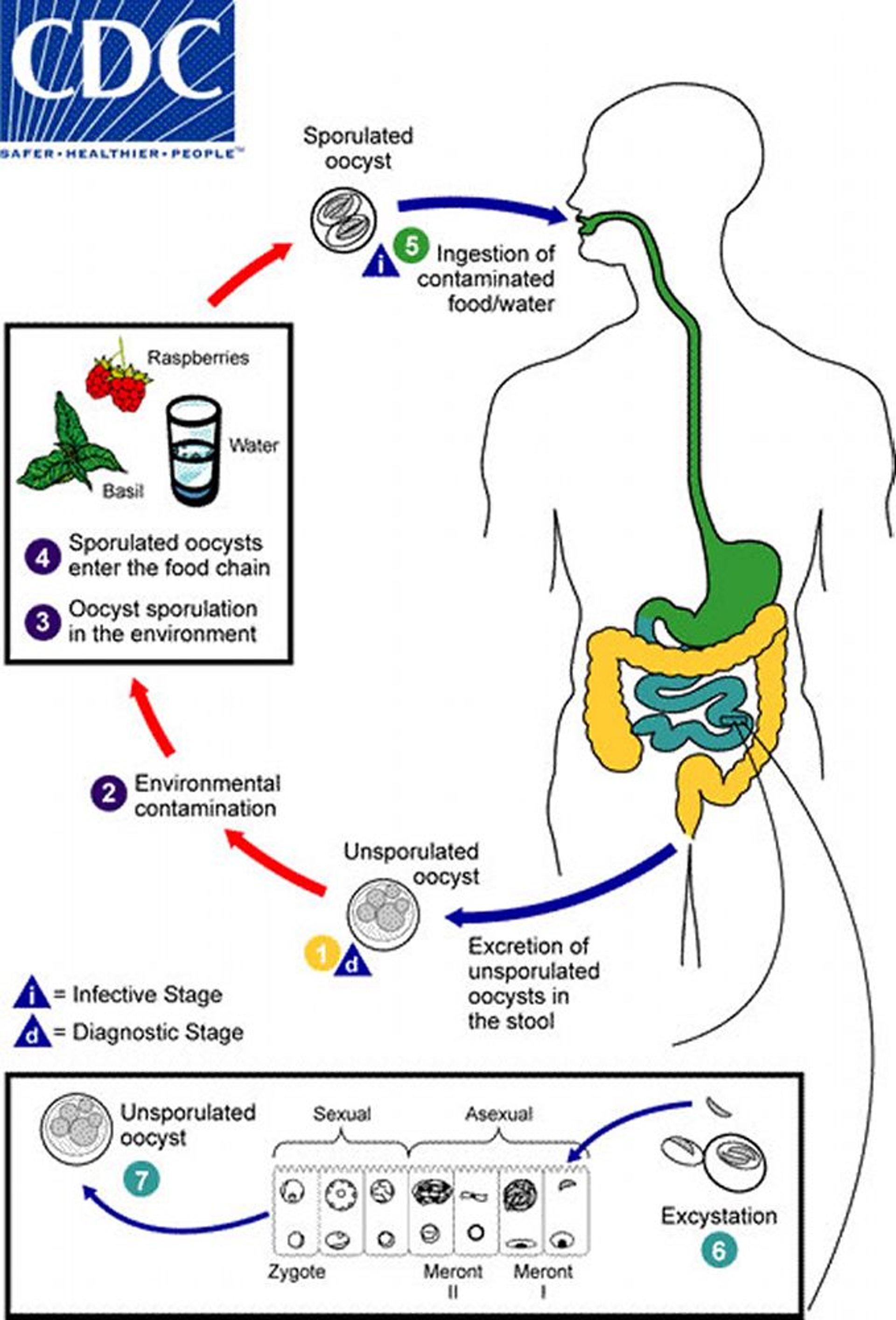
Cyclosporiasis is an intestinal infection caused by the microscopic parasite Cyclospora cayetanensis. The organism is a single-celled parasite that lives in the human digestive tract and can only be seen under a microscope. Once ingested, it infects the small intestine and can cause prolonged gastrointestinal symptoms that sometimes last for weeks.
How do people get infected?
Unlike many other intestinal infections, direct person-to-person transmission is unlikely. People become infected when they consume food or water contaminated with human feces containing the parasite. In the U.S., outbreaks have most commonly been linked to eating fresh produce such as basil, cilantro, bagged salads and raspberries. Contaminated irrigation water and washing water as well as unsafe food handling practices can introduce the parasite to fruits and vegetables.
How does Cyclospora affect the digestive system?
The parasite primarily attacks the lining of the small intestine, disrupting normal digestion and absorption of nutrients. Symptoms usually begin about one week after exposure but can start anywhere from two days to two weeks later and can include:
-
Watery diarrhea, sometimes described as "explosive"
-
Abdominal cramping
-
Bloating and excessive gas
-
Nausea and vomiting
-
Loss of appetite
-
Fatigue
-
Unintentional weight loss
-
Low-grade fever
Without treatment, symptoms may last for several days, weeks, or even longer. Some people may experience a relapsing illness with symptoms that improve and then return.
Are some people at higher risk of serious illness from Cyclospora?
Yes. While many healthy adults eventually recover, certain groups can experience more severe or prolonged symptoms or associated complications. These include:
-
Children because they may be more vulnerable to dehydration caused by persistent diarrhea and vomiting. Because they have smaller fluid reserves than adults, dehydration can develop rapidly if fluid losses are not replaced.
-
Older adults because they are more likely to experience complications from dehydration and may have underlying medical conditions that make recovery more difficult. Severe diarrhea can worsen existing health issues and increase the risk of hospitalization.
-
People with weakened immune systems, including those undergoing cancer treatment, living with HIV, taking immunosuppressive medications, or managing other conditions that affect the immune system.
How can you reduce your risk?
Practice safe food handling and avoid food or water that may be contaminated. Carefully wash your produce, follow food safety recommendations, and pay attention to outbreak notices. The Centers for Disease Control and Prevention recommend the following practices to reduce risk of contracting Cyclospora:
-
Wash hands with soap and water before and after handling or preparing raw fruits and vegetables.
-
Wash all fruits and vegetables thoroughly under running water before eating, cutting, or cooking.
-
Fruits and vegetables that are labeled "prewashed" do not need to be washed again at home.
-
Scrub firm fruits and vegetables, such as melons and cucumbers, with a clean produce brush.
-
Cut any damaged or bruised areas on fruits and vegetables before preparing and eating.
-
Refrigerate, cut, peel, or cook fruits and vegetables as soon as possible (within two hours).
How Is Cyclosporiasis Treated?
The standard treatment for cyclosporiasis is a prescription antibiotic called trimethoprim-sulfamethoxazole. Most people begin feeling better after treatment, although recovery time can vary depending on the severity of the infection. Cyclospora infections may be self-limited in immunocompetent persons; however, untreated illness can be prolonged or lead to relapsing diarrhea. Without treatment, symptoms can last for weeks or even longer, and some people experience a relapsing illness in which symptoms improve and then return
In addition to antibiotics, additional care is important, especially for people experiencing significant diarrhea. This includes:
-
Drinking plenty of fluids to prevent dehydration
-
Replacing electrolytes lost through diarrhea and vomiting
-
Eating bland, easy-to-digest foods until symptoms improve
-
Getting adequate rest
What should I do if someone in my household is diagnosed?
Cyclospora is not thought to be spread easily from person to person. However, health experts recommend taking precautions to reduce the risk of exposure to contaminated stool and to prevent the spread of other gastrointestinal illnesses:
-
Practice good hand hygiene
-
Clean shared spaces (e.g. bathrooms)
-
Don't share towels
-
Handle food carefully
-
Watch for symptoms in other household members
Seek prompt medical attention if the infected person develops:
-
Signs of dehydration, such as dizziness, excessive thirst, dry mouth or decreased urination
-
Severe or persistent diarrhea
-
Significant weight loss
-
Symptoms lasting more than a few days without improvement
Learn more and find a physician or advanced practice clinician (APC)
Whether you require an in-person visit or want to consult a doctor virtually, Providence Swedish is here for you. Contact Swedish Primary Care to schedule an appointment with a primary care provider. You can also connect virtually with your clinician to review your symptoms, provide instruction and follow up as needed. And with Swedish ExpressCare Virtual you can receive treatment in minutes for common conditions such as colds, flu, urinary tract infections, and more. You can use our provider directory to find a specialist or primary care physician near you.
Information for patients and visitors
Additional resources
TikTok Tush: Why scrolling on the toilet could be hurting your health
World Cup, concerts and festivals: An ER doctor’s guide to staying safe this summer
Your eyes need SPF too. Learn why UV protection for your eyes matters in the summer
The best ER visit is the one you never have to make
This information is not intended as a substitute for professional medical care. Always follow your health care professional's instructions.
The Providence app offers world-class health care with human connection
Follow us on Facebook, Instagram and X
About the Author
More Content by Swedish Primary Care Team


