

[5 min read]
In this article:
- A transient ischemic attack (TIA) occurs when blood flow to part of the brain is temporarily blocked.
- Symptoms can appear suddenly and are often the same as symptoms of a stroke.
- If you think you are having a TIA, call 911 immediately. Don't wait for your symptoms worsen.
Often called "mini-strokes," Transient ischemic attacks (TIAs), may seem harmless because symptoms usually disappear within minutes, but they should never be ignored because there is nothing small about them.
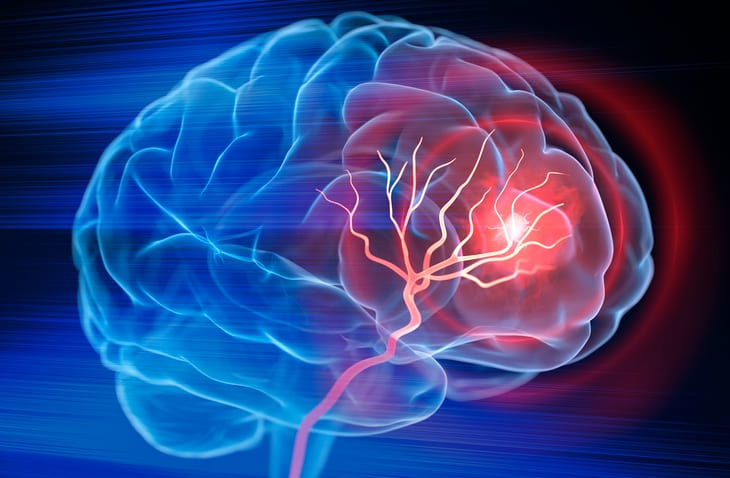
A TIA occurs when blood flow to part of the brain is temporarily blocked, causing stroke-like symptoms such as sudden weakness, numbness, speech difficulties, vision changes or loss of balance. Unlike a stroke, a TIA does not typically cause permanent brain damage because the blockage is brief. However, it is one of the body's most important warning signs that a more serious stroke could be on the horizon. In fact, many major strokes are preceded by a TIA, sometimes within days or weeks. Because the symptoms often resolve quickly, many people delay seeking care or assume nothing is wrong, missing a critical opportunity for prevention.
To learn more, we spoke with neurosurgeon Akshal S. Patel, M.D., director of neurosurgical quality and director for fellowship programs — including brain and spine fellowships — here at Providence Swedish.
1. What is a transient ischemic attack (TIA)?
A transient ischemic attack, or TIA, occurs when blood flow to part of the brain is temporarily blocked. The symptoms are similar to those of a stroke, but they typically last only a few minutes and resolve completely within 24 hours. Because the blockage is temporary, a TIA usually does not cause permanent brain damage. However, it should never be ignored because it can signal a future stroke. It’s suggestive of something else going on. It’s suggestive that a patient has something else going on from a vascular standpoint and would require a full workup.
2. What causes a TIA?
A TIA happens when oxygen-rich blood cannot reach part of the brain for a short time. Common causes include:
- A blood clot that travels to the brain from another part of the body, often the heart
- A narrowed carotid artery in the neck
- Fatty plaque buildup that narrows blood vessels supplying the brain
- Reduced blood flow through a major artery leading to the brain
- Once the blockage clears, symptoms improve, but the underlying problem may still be present
3. What are the symptoms of a TIA?
TIA symptoms appear suddenly and are the same as stroke symptoms. They may include:
- Weakness, numbness or paralysis on one side of the face, arm or leg
- Trouble speaking or understanding speech
- Blurred vision, double vision or sudden vision loss
- Dizziness or loss of balance
- Difficulty walking
- A severe headache with no known cause
Even if symptoms disappear after a few minutes, seek emergency medical care right away. If you have symptoms and ignore them, it could be that they get worse or something disastrous could be going on, like a piece of plaque that broke off somewhere else in your body and went to the brain. Patients should seek care immediately.
4. How is a TIA different from a stroke?
Both TIAs and strokes occur when blood flow to the brain is interrupted. The difference is that a stroke causes permanent brain injury, while a TIA causes symptoms that are resolved without lasting damage. However, you cannot tell whether symptoms are caused by a TIA or a stroke without medical evaluation. That's why every suspected TIA should be treated as a medical emergency. A TIA is often called a "warning” stroke, with about 15% of major strokes are preceded by a TIA. People who have experienced a TIA have a much higher risk of having a future stroke, especially during the days and weeks immediately afterward. Early diagnosis and treatment can help prevent a more serious event.
5. Who is more likely to have a TIA?
Anyone can experience a TIA, but risk increases with age, especially after age 55. Other risk factors include:
- High blood pressure
- Diabetes
- High cholesterol
- Heart disease or atrial fibrillation
- Smoking
- Obesity
- Excessive alcohol use
- Family history of stroke or TIA
We also have patients with genetic issues. Stress is an interesting factor. No one actually knows its role. I don’t think anything has been found that’s definitively related to stress, specifically but maybe it’s’ stress related to high blood pressure. And lastly, those who are very sedentary and don’t get exercise. It’s something most of us could do better with.
7. What should I do if I think I'm having a TIA?
Call 911 immediately. Do not wait to see if symptoms improve, and do not drive yourself to the hospital. Fast evaluation can help identify the cause and reduce your risk of a future stroke. Remember the acronym BE FAST:
- Balance problems
- Eyesight changes
- Face drooping
- Arm weakness
- Speech difficulty
- Time to call 911
8. How do I know whether it’s a migraine or a TIA?
Most TIAs are painless. People who have migraines tend to know that those migraines are coming on and they are generally a gradual thing. Typically, TIAs are not gradual. They kind of come on out of the blue, and they can have certain symptoms that are stepwise in fashion. They can come and go or get worse progressively but are generally pretty sudden.
People with migraines tend to feel the onset of a migraine or even an aura so that's a whole different syndrome that can be nuanced. People who have migraines can have strokes, so I would say that even if you do feel like you're having weakness in any part of your body, I mean, that is just abnormal in general, so even for the migraine population, they should seek help anyway.
9. How is a TIA diagnosed?
Healthcare providers may use several tests to determine whether you had a TIA and to identify the cause, including:
- Physical and neurological examinations
- Blood tests
- CT scans or MRI scans
- Ultrasound imaging of the carotid arteries
- Heart rhythm monitoring
- Echocardiograms
These tests help determine your stroke risk and guide treatment.
10. How is a TIA treated?
Treatment focuses on preventing another TIA or a future stroke. Your care plan may include:
- Blood-thinning or antiplatelet medications
- Blood pressure control
- Cholesterol-lowering medications
- Diabetes management
- Smoking cessation
- Lifestyle changes such as improved diet and exercise
- Procedures to open severely narrowed carotid arteries when necessary
The best treatment depends on the underlying cause of the TIA. Treatment is advancing because our access to advanced imaging is improving. And in terms of just overall treatment, the medications that we have on the market to reduce your risk of stroke, meaning medications that reduce your cholesterol, help you with your diabetic issues. The new GLP-1 drugs are also helping people manage their overall health. And then lastly, if these TIAs do become strokes, the technology to fix those more severe problems is also improving.
11. Can TIAs be prevented?
Many TIAs can be prevented by reducing stroke risk factors. You can lower your risk by:
- Keeping blood pressure under control
- Managing cholesterol and diabetes
- Quitting smoking
- Exercising regularly
- Maintaining a healthy weight
- Limiting alcohol consumption
- Following a heart-healthy diet
- Taking prescribed medications as directed
Even small lifestyle changes can have a big impact on your long-term brain health. Interestingly enough — and I can’t validate this — but I have seen some recent trials that suggest caffeine is good for you over the course of your lifetimes. That might be very good news here in Seattle.
Learn more and find a physician or advanced care practitioner (ACP)
Our experts at the Swedish Neuroscience Institute offer comprehensive, progressive diagnosis and treatment for a wide range of spine, brain and central nervous system conditions. Telehealth options are available.
Whether you require an in-person visit or want to consult a doctor virtually, you have options. Contact Swedish Primary Care to schedule an appointment with a primary care provider. You can also connect virtually with your provider to review your symptoms, provide instruction and follow up as needed. And with Swedish ExpressCare Virtual you can receive treatment in minutes for common conditions such as colds, flu, urinary tract infections and more. You can use our provider directory to find a specialist or primary care physician near you.
Information for patients and visitors
Additional resources
Rehabilitation medicine helps patients get back to the business of living, one step at a time
Patient health goals are the primary consideration in developing a treatment plan for Parkinson’s
Learn BE FAST, because every second counts during a stroke
Providence Swedish is nationally recognized for providing high-quality stroke care
This information is not intended as a substitute for professional medical care. Always follow your health care professional’s instructions.
Follow us on Facebook, Instagram and X.
The Providence app offers world-class health care with human connection
About the Author
More Content by Swedish Neuroscience Team


