[6 min read]
In this article:
- Endometriosis is a common gynecological condition that can cause painful periods, pain during sex and many other symptoms.
- Endometriosis occurs when cells similar to those in the lining of the uterus grow outside the uterus.
- There are several effective treatment options for endometriosis.
One in ten people with a uterus has endometriosis. While mild cramping with your period is normal, pain that makes you miss school or work, vomit, pass out or have to go to the emergency room isn’t normal. In fact, these are all common signs of endometriosis. Yet, it takes seven to eight years, on average, on average, to be diagnosed. Some women to suffer for years only to be told that their painful periods and ultrasounds are normal. But a normal ultrasound does not rule out endometriosis. If you aren't getting the answers you need from your physician, our experts at our
Swedish Gynecology Specialty Center are here for you and will work with you to get the right diagnosis and treatments to can help you find relief. To learn more about this common condition, we spoke with
Jessie Remington Marrs, M.D.,a gynecological surgeon and endometriosis expert at Providence Swedish.
What is endometriosis?
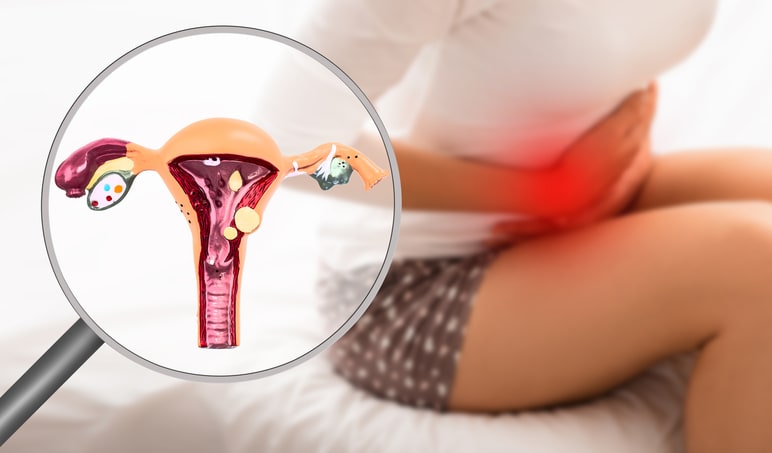
Endometriosis is a condition where the inner lining cells of the uterus (the endometrium) that are hormonally responsive and grow and shed monthly wind up growing outside the uterus. They wind up as implants that can be scattered throughout the pelvis on the bladder, bowel, ligaments, sidewalls, ovaries and tubes. It can sometimes be found outside the pelvis as well.
What causes endometriosis?
We don’t really know. Some women may be born with implants of endometriosis that wind up
growing over time in response to hormonal cycling.
What are the most common symptoms of endometriosis?
The most common symptom of endometriosis is painful periods. Pain with urination or a full bladder, bloating, back pain, leg pain, pain with ovulation and pain with orgasm can all be symptoms too. Over time the pain can progress to all the time, not just around the menstrual cycle.
Are there any symptoms of endometriosis that women find surprising?
Some people will have cyclic bladder pain or discomfort that might feel like a urinary tract infection. Some people will have pain with bowel movements during their cycle as well. The pain generally starts as pain during the period but can progress to pain all the time if it isn’t treated. Some people will have deep pain with intercourse. However, an experienced endometriosis specialist will always ask about all of these symptoms, says Dr. Remington Marrs. If you have been suffering with pain, and been dismissed, please seek out an endometriosis specialist.
How is endometriosis diagnosed?
Sometimes, endometriosis lives in a cyst on the ovary called an endometrioma, which is an ovarian cyst filled with endometriosis. An endometrioma will show up on an ultrasound, whereas small spots of endometriosis will not. So, it is very important to note that a normal ultrasound does not rule out endometriosis. The only way to know for sure if someone has endometriosis is to do a laparoscopic surgery that looks inside the belly with a camera.
How is endometriosis treated?
Since it is a hormonally driven disease the mainstay of management is hormonal. It is the cyclic ups and downs of the hormones that cause the implants to grow and bleed. The bleeding, even if microscopic, causes pain and inflammation and the inflammation can lead to scar tissue and adhesions. Suppressing the hormone cycle so that a person has continuous low dose hormone can help the pain and often prevents progression of the disease. If hormones are ineffective or not tolerated surgery is indicated.
What are the surgical options for treating endometriosis?
Laparoscopic ablation (burning) and excision (cutting out) of endometriosis can both be effective for relieving pain. You should consult with your doctor about which is right for you.
For women that are done having children or have decided for sure they don't want to become pregnant, they may choose a hysterectomy with excision of endometriosis.
Does endometriosis impact fertility?
Yes, endometriosis is a big cause of infertility in the United States. It can be caused by tubal scarring in the setting advanced endometriosis or possibly by inflammation affecting the ability of the tubes to get to the egg in the setting of more mild endometriosis. Most women with endo aren’t infertile.
Are there advances in treatment or diagnosis that patients should know about?
There are newer medications that are easier on the body and very effective in comparison to what we used to be able to offer. Our options used to be birth control pills or Depo Lupron (an injectable medication that caused menopausal hormone levels while on it). The newer options work similarly to Lupron in that they reduce the hormone levels that are feeding the endo but are oral pills instead of injectable and they have some hormone added back to them, so the menopause-type symptoms are not as severe.
Find relief
Endometriosis affects many women. Fortunately, there are many approaches that can help you find relief from painful periods and other symptoms. Talk to a gynecologist about your symptoms. Together, you can find a way to feel like yourself again and not be limited by the pain of your period each month.
About the Author
The Providence Women's Health team is committed to providing useful and actionable insights, tips and advice to ensure women of all types can live their healthiest lives.
More Content by Providence Women's Health Team