

[5 MIN READ]
In this article:
-
The joints in your hands power many of your daily tasks.
-
When arthritis or injury causes pain, joint replacement may help — though these surgeries are rare.
-
A Providence Swedish orthopedic surgeon explains how replacements work, what recovery looks like and what other treatments can help.
The remarkable mechanics of your hands
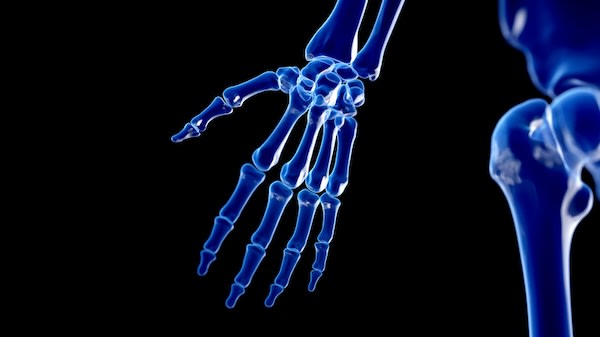
Your hands are some of the most complex tools in the human body. Each joint — from your wrist to your knuckles — works together to help you move, grip and handle the activities that fill your day.
“The hand joints are vital because they allow us to interact with the physical world in so many ways,” says Christopher Hein, M.D., an orthopedic surgeon specializing in hand and wrist surgery at Providence Swedish Orthopedics. “They’re strong enough to bear weight and grip tightly, yet precise enough for the most intricate tasks.”
That balance of strength, stability and flexibility is no small feat. But when arthritis, injury or inflammation interferes, even simple actions can become painful and frustrating.
Dr. Hein shares more about what makes the hand such a finely tuned structure, why its joints sometimes wear down and how modern treatments can help.
Why your hands hurt: Arthritis and other common conditions
Our hands are almost constantly in motion, so it’s no surprise they’re vulnerable to wear and tear over time. One of the most common causes of joint pain is arthritis, which develops when the smooth cartilage that cushions your joints starts to break down. Without its natural padding, the hand bones rub together, causing inflammation, stiffness and pain. The thumb is one of the most common places for arthritis to develop.
Dr. Hein describes three main types of arthritis that affect the hands:
- Osteoarthritis, or “wear and tear” arthritis, which is common with age
- Inflammatory arthritis, where the body’s immune system attacks joint tissues
- Post-traumatic arthritis, which develops after an injury damages cartilage
But arthritis isn’t the only reason people seek help for hand pain. Trigger finger and carpal tunnel syndrome are also common.
Trigger finger happens when inflammation around a tendon makes it hard to move the finger smoothly, causing it to catch or lock in place. You might feel a pop or snap as the finger releases.
Carpal tunnel syndrome develops when a nerve in the wrist becomes pinched or compressed. It often leads to tingling, numbness or weakness in the thumb and fingers, especially at night or when gripping objects.
When joint replacement may be an option
“Most people with hand pain or arthritis find relief without surgery,” says Dr. Hein. “So non-surgical treatments are almost always the first step.”
These may include:
- Activity modifications to reduce strain on painful joints
- Anti-inflammatory medications
- Hand therapy to improve strength and flexibility
- Splints or braces for support and protection
- Steroid injections to reduce inflammation and pain
Because the joints in the hand and wrist are small and complex, joint replacement surgery is rare. It’s typically reserved for those with painful, arthritic joints that haven’t responded to other treatments. People with a severe deformity or prior joint infection usually aren’t good candidates for replacement.
In some cases, surgeons may recommend a joint fusion instead. This procedure permanently joins the bones in the joint to stop painful rubbing. While fusion relieves pain, it also eliminates motion in the joint. Joint replacement, on the other hand, aims to reduce pain while preserving movement as much as possible.
How hand, finger and wrist replacements work
Although the concept is similar to hip or knee replacement, the procedure for hand and wrist joints is smaller and more delicate. Surgeons carefully remove the damaged bone, cartilage and joint lining and replace them with implants that mimic natural movement.
“We replace part of the wrist bones with metal and the new joint surface with a piece of plastic,” Dr. Hein explains. “For finger joints, implants may be silicone or a combination of metal and plastic.”
Surgeons can perform replacements in several hand joints — most often at the middle finger joints (PIP joints) or the knuckles (MP joints). Fingertip joints are usually too small for implants, so surgeons may fuse them if arthritis is severe.
Dr. Hein emphasizes that the main goal of joint replacement surgery is pain relief. While surgery often reduces discomfort, it usually doesn’t increase motion beyond what a patient had before.
What happens after replacement surgery?
Recovery after hand or wrist joint replacement takes time and patience. Most patients can start gentle movement within the first few weeks to prevent stiffness and promote healing.
“Motion usually begins two to four weeks after surgery,” says Dr. Hein. “But full recovery continues for many months and may take up to a year.”
Hand therapy is usually a key component in your recovery plan. A certified hand therapist will guide you through stretches and strength exercises. They may also create a custom splint to protect your joint as it heals. Therapy usually continues for several weeks or months, depending on the joint and surgical approach.
As healing progresses, you may notice steady improvements in comfort and mobility. Every recovery looks a little different, but most people can return to their normal activities with fewer limitations and less pain.
Joint replacements are designed to last many years, but like any medical device, they can wear out over time. If pain or stiffness returns, you may need to repeat the surgery in the future. Staying active in your recovery, keeping realistic expectations and communicating with your care team can help you achieve the best results with your new joint.
Expert care at your fingertips
The Swedish Orthopedic Institute offers care for a wide range of hand and wrist conditions, including arthritis and carpal tunnel syndrome. No matter the treatment, the goal is the same: helping you regain comfort, motion and confidence.
“Our hand surgery team has the resources to create a supportive experience from your initial consultation to your final follow-up visit,” says Dr. Hein. “We work closely to ensure you have safe, well-coordinated care and a smooth recovery.”
Learn more and find a physician or advanced practice clinician (APC)
If hand, finger or wrist pain is limiting your daily activities, our experts at the Swedish Orthopedic Institute can help. Our surgeons specialize in advanced joint replacements and a wide range of non-surgical treatments to help you move comfortably again. You can also schedule a virtual consultation through Swedish ExpressCare Virtual. Use our directory to connect with an orthopedic surgeon or primary care physician near you.
Related resources
Get the facts on joint replacement
How do you know if it’s arthritis?
Protect your wrists and hands during winter sports and icy weather
What you “kneed” to know about caring for your joints
This information is not intended as a substitute for professional medical care. Always follow your health care professional's instructions.
About the Author
More Content by Swedish Orthopedics & Sports Medicine Team


