

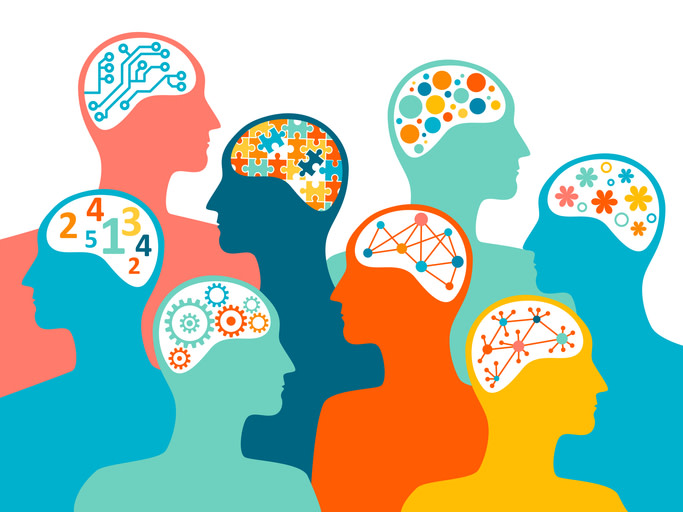
- Being neurodivergent can come with real challenges, and some people benefit from accommodations, therapy, medication or other supports.
- If you think you or your child may have a "neuro-d" brain, it's vital to work with a clinician you trust for an accurate diagnosis and appropriate treatment plan.
- There is a host of therapies and medications to treat neurodivergent conditions. And if your diagnosis makes work or school difficult, you may be eligible for accomodations that can help yu manage tjhose challenges.
- A Providence Swedish behavioral health expert has more.
"Neurodiversity" refers to a group that includes neurodivergent and neurotypical people.
Far from being a problem to solve, neurodiversity recognizes that there is no single "right" way for a brain to work. Our differences can bring unique strengths, perspectives, creativity, talents, and some challenges that may require understanding and support.
Awareness of neurodiversity is growing, often thanks to social media, and more people are seeking information about what it means to be neurodivergent and how families, schools, workplaces, and communities can create more inclusive environments.
What is neurodivergence?
Neurodivergence is a way of describing people whose brains work a little differently from what society typically “expects.” It includes people with conditions such as autism, ADHD, dyslexia, and other differences that can affect how they think, learn, communicate, or interact with the world. The idea isn't that something is "wrong" with the person. Instead, it's a recognition that there are many different ways for human brains to function.
For a neurodivergent person, everyday experiences may be different from those of other people. They might learn best through hands-on activities, notice details others miss, have intense interests, be especially creative, or think about problems in unique ways. At the same time, they may find certain situations more challenging, such as staying organized, managing sensory overload, reading social cues, or adapting to environments that weren't designed with their needs in mind.
The term is often helpful because it focuses on understanding and supporting differences rather than viewing them only as deficits. Being neurodivergent can come with real challenges, and some people benefit from accommodations, therapy, medication, or other supports. But it can also come with strengths and perspectives that add value to schools, workplaces, relationships, and communities. Ultimately, neurodivergence is about recognizing that there is no single "right" way for a brain to work.
What are the different types of neurodivergence?
While each diagnosis has it’s own specific criteria, I’ve included a small summary for some of the common diagnoses/terms below. But it’s super important to remember to talk to a healthcare provider you trust if you have specific questions/concerns in order to learn if a diagnosis is applicable to you!
- Autism Spectrum Disorder (ASD) involves differences in social communication, sensory experiences, routines, and interests. Autistic people may experience the world in a more intense or unique way and often have distinct strengths as well as challenges.
- Attention-Deficit/Hyperactivity Disorder (ADHD) affects attention, focus, organization, impulse control, and/or activity level. People with ADHD may struggle with staying on task or managing time, but they are often creative, energetic, and adaptable. There are three “variants” such as mainly inattentive, mainly hyperactive, or combined.
- AuDHD is an informal term used when someone is both autistic and has ADHD or self-identifies that way. The two can interact in interesting ways, such as wanting structure and routine while also craving novelty and variety.
- Dyslexia mainly affects reading and language processing. People with dyslexia may have difficulty reading fluently, spelling, or decoding words, even though they often have average or above-average intelligence.
- Dyscalculia affects the ability to understand and work with numbers. It can make tasks such as mental math, telling time, or estimating quantities more challenging.
- Tourette Syndrome is a neurological condition characterized by motor and/or vocal tics, which are movements or sounds that occur involuntarily. The severity and frequency of tics can vary widely from person to person.
Other forms of neurodivergence can include dyspraxia, a condition in which a person struggles coordination and motor planning difficulties; dysgraphia, which poses challenges with handwriting and written expression; there are other conditions that pose some learning, developmental, and neurological differences.
What are some ways to help your neurodivergent child succeed?
This is a big question and we could spend a whole day talking about this topic. That being said, if your child is neurodivergent, one of the most important things you can do is help them understand that there is nothing "wrong" with them. Every child has strengths, challenges, and their own way of learning and interacting with the world. Take time to learn about your child's needs, listen to their experiences, and focus on what helps them thrive rather than trying to make them fit a particular mold. Celebrating their strengths, whether that's creativity, problem-solving, attention to detail, kindness, or a special interest, can help build confidence and self-esteem.
It's also helpful to create an environment where your child feels supported. This might mean establishing predictable routines, breaking big tasks into smaller steps, providing sensory breaks, or finding learning strategies that work for them. Stay in communication with teachers, healthcare providers, and other support people to ensure your child has access to any accommodations or services they may need. Just as importantly, encourage self-advocacy as they grow by helping them understand their own strengths, challenges, and what supports are most helpful.
Remember that success does not look the same for every child. Rather than focusing only on areas where they struggle, pay attention to their overall well-being, relationships, interests, and personal growth. When children feel accepted, understood, and supported, they are more likely to develop resilience, confidence, and the skills they need to succeed in their own way.
Any guidance for dealing with a later-in-life diagnosis?
Receiving a neurodevelopmental diagnosis later in life, such as ADHD, autism, dyslexia, or another form of neurodivergence, can bring up a wide range of emotions. Some people feel relief because they finally have an explanation for struggles they've experienced for years. Others may feel grief, anger, confusion, or sadness as they reflect on missed supports, misunderstandings, or challenges they faced without knowing why. It's important to remember that all of these reactions are normal. Remember – a diagnosis doesn't have to change who you are! Instead, it can provide a new framework for understanding yourself and your experiences.
Many of my patients also find it helpful to give themselves time to process the diagnosis and learn about what it means. Connecting with others who share similar experiences, whether through support groups, online communities, books, or therapy, can help reduce feelings of isolation. It can also be empowering to reframe past experiences through this new lens. Rather than viewing past difficulties as personal failures, you may begin to recognize that some challenges were related to differences in how your brain processes information, communicates, or responds to the world.
As you adjust, focus on self-compassion and practical support. You might try to note what helps you function at your best, whether that's creating routines, using organizational tools, setting boundaries, reducing sensory stress, or asking for accommodations at work or school. Many people find that the diagnosis helps them stop forcing themselves to meet unrealistic expectations and instead build a life that works with their brain rather than against it.
Most importantly, remember that a diagnosis does not have to be only viewed as a “limitation”! While it may explain some of your challenges, it can also help you recognize strengths, preferences, and needs that have always been part of who you are. For many people, the journey after a late diagnosis becomes less about changing themselves and more about understanding, accepting, and supporting themselves in ways they may not have thought possible before.
What are some therapies offered for specific neurodivergent diagnoses?
There isn't one specific therapy that's considered "the best" for every neurodivergent person. The most effective approach usually depends on the person's goals, challenges, and individual preferences. For example, someone with ADHD may benefit from therapy that focuses on organization, emotional regulation, and executive functioning skills, while someone with an Autism diagnosis may be looking for support with managing anxiety, relationships, sensory overwhelm, or self-acceptance.
Cognitive Behavioral Therapy (CBT) can be very helpful for many neurodivergent people, especially when dealing with anxiety, depression, low self-esteem, or unhelpful thought patterns. However, some people find traditional CBT less effective if it focuses too heavily on changing thoughts without taking into account their sensory experiences, communication style, or neurodivergent needs. In those cases, therapists may adapt CBT to make it more neurodiversity-affirming and practical.
Somatic therapies can be helpful for people who experience stress, anxiety, burnout, or trauma in ways that show up strongly in their body. These approaches focus on noticing physical sensations, regulating the nervous system, and developing a greater sense of safety and self-awareness. Some neurodivergent people find this especially helpful because they may spend so much time trying to manage the outside world that they become disconnected from what their body is telling them.
Overall as a philosophy, many neurodivergent adults also benefit from neurodiversity-affirming therapy, which focuses on understanding how their brain works, building self-compassion, identifying strengths, developing accommodations, and reducing the pressure to mask or "fit in." A neurodivergent person might use CBT for anxiety, somatic approaches for nervous system regulation, and coaching or skills-based support for day-to-day challenges. These approaches can complement each other rather than compete with one another. Often, the best therapy is less about the specific technique being used and more about finding a therapist who understands neurodivergence and works collaboratively with the person!
Learn more and find a physician or advanced practice clinician (APC)
If you or someone you love needs mental health support, our caring experts at Providence Swedish Behavioral Health can help. Visit our website to find care near you.
If you require an in-person visit or want to consult a doctor virtually for your health concern, Providence Swedish is here for you. Contact Swedish Primary Care to schedule an appointment with a primary care physician. You can also connect virtually with your doctor to review your symptoms, provide instruction and follow up as needed. And with Swedish ExpressCare Virtual, you can receive treatment in minutes for common conditions such as colds, flu, urinary tract infections and more. You can use our provider directory to find a specialist or primary care physician near you.
Information for patients and visitors
Additional resources
Love means never having to say "You loaded the dishwasher wrong."
"You don’t have to pretend you’re fine": how to be there for someone with a chronic illness
Navigating back-to-school's busy schedules and big feelings
Helping children feel safe, supported and ready to heal
This information is not intended as a substitute for professional medical care. Always follow your healthcare professional's instructions.
Follow us on Facebook, Instagram and X.
The Providence app offers world-class health care with human connection
About the Author
More Content by Swedish Behavioral Health Team


